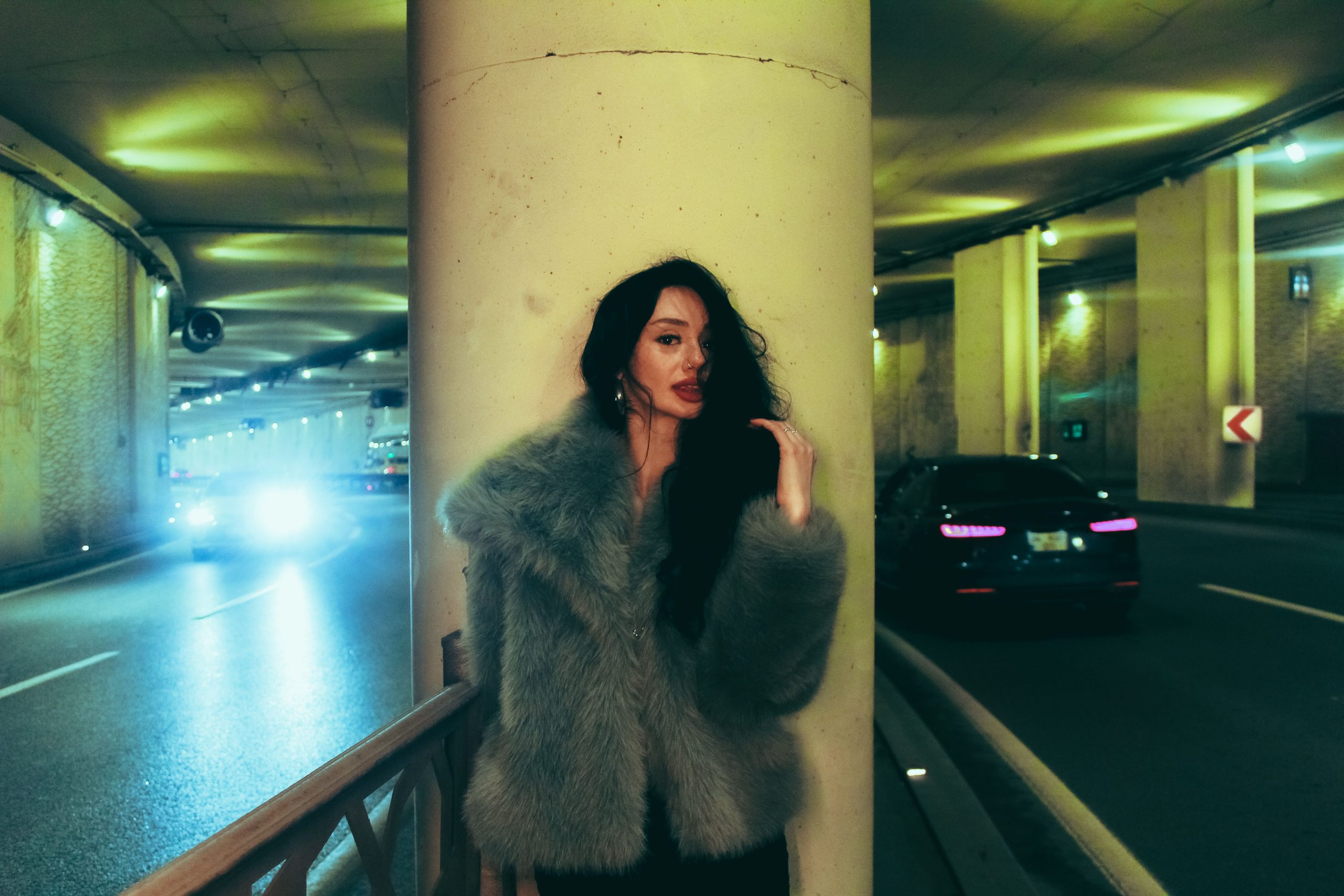
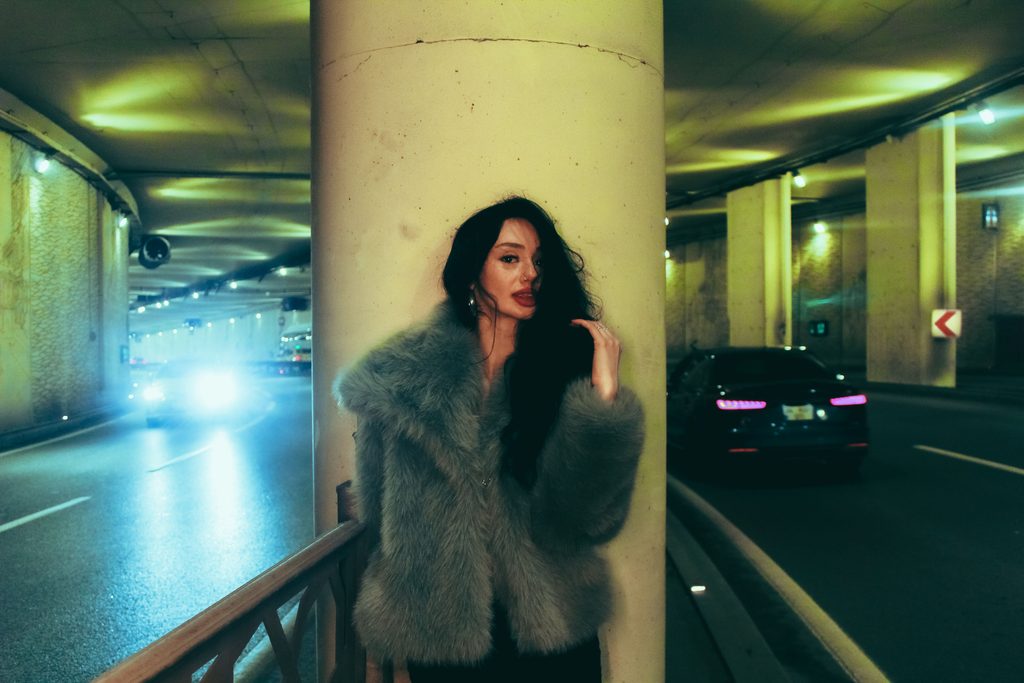
“Why is the model wearing short sleeves in autumn?”
“We need to photograph spring clothing outdoors in winter.”
“It is still warm outside, but the model needs to wear a winter coat.”
When planning a model shoot for advertising, e-commerce, social media, or other promotional content, the season represented by the wardrobe does not always match the actual weather on the day of the shoot.
This is especially common during seasonal transitions, when warm and cold days alternate and temperatures can be difficult to predict far in advance.
Advertising and e-commerce content is also often produced well before the products or campaigns are released. As a result, spring and summer collections may be photographed while it is still cold outside, while autumn and winter clothing may need to be photographed during warmer weather.
For clients and production teams, this means that it is important to think beyond what the model will wear.
You should also consider when and where the model will wear each outfit, how long they will need to wear it, and whether they will be able to warm up or cool down between takes.
Managing the temperature and shooting environment is not only about keeping the model comfortable. Exposure to cold or heat can also affect the model’s facial expressions and movement, the condition of the hair, makeup, and garments, and the overall efficiency of the shoot.
In this article, we explain what clients and production teams should consider when planning winter model shoots, outdoor shoots, and seasonal campaigns in which the clothing may not match the actual temperature.
Why Does the Wardrobe Sometimes Not Match the Season?
In commercial photography and video production, three different “seasons” may be involved:
- The actual season in which the shoot takes place
- The season represented in the photos or videos
- The season in which the campaign or products will be released
These three seasons do not always align.
For example, if a company waits until spring to photograph its entire spring collection, there may not be enough time to prepare its e-commerce pages, advertisements, and other promotional materials before the products are launched.
This is why spring clothing may be photographed while the weather is still cold, and autumn or winter collections may be photographed while temperatures are still relatively high.
The final images may look as though they were taken on a comfortable spring day, even though the model was actually working in cold weather.
Similarly, a model wearing a heavy winter coat may have been photographed on a surprisingly warm day.
When selecting the wardrobe, clients should therefore consider not only the season they want to communicate visually, but also the difference between that visual concept and the actual shooting environment.
How Cold Is Too Cold for a Winter Model Shoot?
When planning an outdoor winter shoot, you may wonder:
“At what temperature is it too cold to shoot?”
Unfortunately, there is no universal temperature threshold that determines whether a model shoot can proceed safely and comfortably.
Even at the same temperature, the conditions can feel very different depending on factors such as:
- Wind
- Sunlight
- Whether the location is in direct sunlight or shade
- What the model will be wearing
- Whether the outdoor portion will last 10 minutes or several hours
- Whether the model can warm up between takes
A production team bundled up in winter coats may feel reasonably comfortable, while a model wearing a short-sleeved shirt may experience the same conditions very differently.
For this reason, temperature alone should not determine whether a shoot can proceed.
The outfit, wind conditions, shooting duration, waiting time, and access to a warm indoor space should all be considered together.
As the shoot date approaches, check not only the general weather forecast but also the expected temperature, wind, sunlight, and weather conditions during the specific hours in which you plan to shoot.
Consider How Long the Model Will Be Wearing Each Outfit
Waiting time is easy to overlook.
Imagine photographing a spring shirt outdoors in winter. The actual shooting time may be only 15 minutes, but the model may also need to travel from the waiting area to the location, wait while equipment is prepared, review the images with the team, and remain outside while products or sets are changed.
As a result, the model may be wearing lightweight clothing for much longer than the time spent in front of the camera. The same applies to video shoots that require repeated takes and e-commerce shoots involving multiple products.
When planning the schedule, remember:
Shooting time does not always equal the total time the model spends in each outfit.
What Should Clients Prepare for a Winter Model Shoot?
When a model needs to wear lightweight clothing in cold weather, the production team should prepare the environment rather than leaving all cold-weather preparation to the model.
Depending on the location and type of shoot, consider providing:
- A warm coat or jacket for the model to wear between takes
- A heated indoor area, vehicle, or other warm waiting space
- Disposable hand warmers, blankets, or other warming items
- Warm drinks
- A schedule that minimizes unnecessary outdoor waiting time
The campaign may require a short-sleeved shirt or lightweight spring outfit, so making the clothing itself warmer may not be possible. Instead, think about how the model can stay warm whenever photographs are not being taken or the camera is not rolling.
You can also ask the model to bring a warm jacket or other personal items. If so, communicate this in advance and explain approximately how long the outdoor portion will last and whether a heated waiting area will be available.
Separate what you expect the model to bring from what the production team will provide, and communicate both clearly before the shoot.
Shooting Winter Clothing in Warm Weather
Seasonal wardrobe issues are not limited to cold weather. Autumn and winter products may need to be photographed while temperatures are still high.
During outdoor shoots, knitwear, jackets, coats, and scarves can quickly become uncomfortable. In warm conditions, provide access to a cool or shaded waiting area, allow regular breaks, make water readily available, and avoid unnecessarily long periods of continuous shooting.
The model does not need to remain in a heavy coat while images are being reviewed or the next setup is being prepared. Small adjustments to the workflow can reduce heat exposure without changing the visual result of the campaign.
Temperature Can Affect the Final Result
Temperature management is not only about the model’s comfort. It can also affect the quality and efficiency of the shoot.
In cold conditions, it may become difficult for the model to maintain natural facial expressions and relaxed movement. In warm conditions, heavy clothing can cause sweating, requiring additional hair and makeup adjustments and potentially affecting the appearance of the garments.
This may lead to:
- Additional breaks
- Hair and makeup touch-ups
- Changes to the shooting order
- Delays to the production schedule
Creating an environment in which the model can work comfortably ultimately helps the production team achieve better photos and videos more efficiently.
Plan the Shooting Order Around the Conditions
If several outfits need to be photographed in one day, the shooting order can help reduce unnecessary exposure to heat or cold.
During colder weather, you might photograph coats and knitwear in the early morning, then move to shirts and lighter spring outfits around midday when temperatures are higher. During warmer weather, the opposite approach may work better.
Temperature is not the only factor to consider. Natural light, location availability, hair and makeup, facility access, and the schedules of the production team may also affect the order.
The goal is not to prioritize temperature above everything else, but to consider:
“At what time of day should we photograph each outfit?”
Leaving some flexibility in the schedule also makes it easier to respond if the weather is colder or warmer than expected. You may be able to shoot indoor scenes first, divide outdoor photography into shorter sessions, or allow the model to warm up while products or sets are changed.
Do Not Overlook the Temperature Indoors
Temperature management also matters in studios, stores, offices, and other indoor locations.
The production team and the model may be dressed very differently. The crew may feel comfortable in sweaters and jackets while the model is wearing a sleeveless top. Alternatively, the crew may be dressed lightly while the model is wearing several layers of winter clothing under studio lights.
Do not assume that the room temperature is comfortable for the model simply because it feels comfortable to the crew. Consider the outfit the model is actually wearing, as well as the effect of lighting, equipment, heating, air conditioning, and doors opening and closing.
What Information Should Be Shared Before the Shoot?
Once the wardrobe and general shooting environment are known, share the relevant details with the model or casting coordinator as early as possible.
Useful information includes:
- Whether the shoot is indoors, outdoors, or both
- Whether the outfits are for spring/summer or autumn/winter
- Whether lightweight clothing will be worn outdoors
- Approximately how long the outdoor portion will last
- Whether a heated or cooled waiting area is available
- Whether the model should bring a coat or other personal items
It is much easier for a model to prepare when this information is provided in advance rather than hearing on the day, “Today’s outdoor shoot will be in short sleeves.”
Sharing these details during the casting process also helps confirm whether the model is comfortable with and available for the project conditions.
Can Models Wear Short Sleeves Outdoors in Winter?
Yes. Spring and summer collections are sometimes photographed while the weather is still cold.
However, there is a difference between asking whether a particular shot can be taken and asking whether the model can reasonably remain in those conditions for a long period.
If lightweight clothing is required, keep individual shooting periods as short as possible, allow the model to wear a coat until immediately before each take, and provide access to a warm space between takes.
Because conditions vary depending on temperature, wind, sunlight, clothing, location, and duration, each shoot should be assessed based on the actual environment rather than a single temperature rule.
Frequently Asked Questions About Seasonal Model Shoots
Should the client provide disposable hand warmers?
They are not always necessary, but they can be useful during cold outdoor shoots. They should be used together with warm outerwear, access to a heated area, and appropriate limits on outdoor shooting time.
What if the weather is much colder or warmer than expected?
Depending on the production, consider changing the shooting order, moving temporarily to indoor shots, or dividing outdoor photography into shorter sessions. A flexible schedule makes these adjustments easier.
At what temperature should an outdoor shoot be cancelled?
There is no single temperature that applies to every shoot. Wind, sunlight, clothing, duration, and access to an appropriate waiting area all affect the conditions. If the shoot cannot be carried out safely, the schedule, location, or shoot date should be reconsidered.
You Can Discuss the Conditions Before Everything Is Finalized
You do not need to finalize every production detail before discussing model casting.
If you already have a general idea of the shoot date, location, wardrobe, and expected shooting time, share that information during the casting process. Clarifying the conditions early makes it easier to find suitable models, confirm availability, and prepare appropriately for the shoot.
Conclusion: Consider the Wardrobe and Shooting Environment Together
In advertising and e-commerce photography, the season represented in the campaign does not always match the season in which the shoot takes place.
When deciding what the model will wear, consider not only:
“What should the model wear?”
but also:
“Under what conditions, and for how long, will the model be wearing it?”
Before the shoot, consider:
- The expected temperature, wind, and weather
- Whether the locations are indoors or outdoors
- The thickness of each outfit
- How long the model will wear it
- Access to suitable waiting areas
- Cold- or hot-weather preparation
- The shooting order
- What should be communicated in advance
A mismatch between the wardrobe and the actual season is not necessarily a problem. What matters is understanding the conditions and preparing the shooting environment accordingly.
MixLink Casting provides casting services for international, mixed-heritage, and Japanese models. You are welcome to contact us while your production plan is still being developed, including questions such as:
- “Can we photograph this wardrobe at this time of year?”
- “What should we tell the model before an outdoor shoot?”
- “How should we approach casting for these shooting conditions?”
If you are considering models for an upcoming production, please feel free to contact us before every detail has been finalized.
Looking for Models for Your Next Project?
MixLink Casting provides casting services for a wide range of international, mixed-heritage, and Japanese models, from kids to middle-aged and senior talent.
We can recommend models based on your project requirements, creative vision, and budget.
Please feel free to contact us to discuss your casting needs.