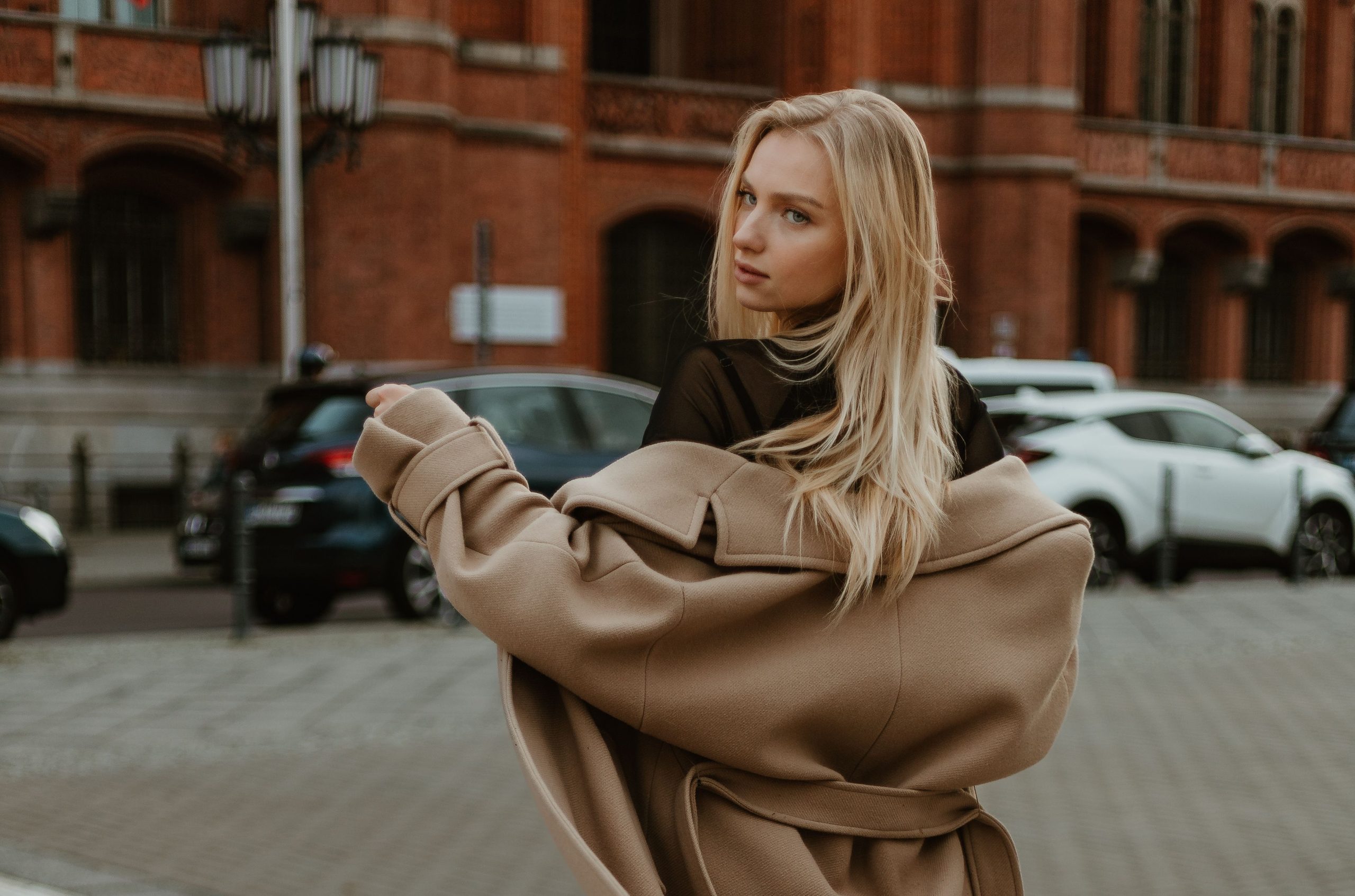
When you are booked for a model shoot in winter or during a seasonal transition, you may find yourself wondering:
“What should I wear to an outdoor shoot?”
“The shoot wardrobe includes short sleeves. How should I prepare for the cold?”
“Should I bring hand warmers or an extra coat?”
In modeling, the season in which a shoot takes place does not always match the season represented by the products or wardrobe.
Spring and summer collections may be photographed while it is still cold outside. Similarly, models may be asked to wear autumn or winter clothing while the weather is still warm.
For outdoor winter shoots in particular, preparing only for the outfit you will wear on camera may leave you much colder than expected while traveling to the location or waiting between takes.
The important thing is to separate the wardrobe you will wear for the shoot from the clothing you need to stay comfortable at the location.
In this article, we explain what to wear and bring to a winter model shoot, how to prepare for cold weather, and what to confirm before the shoot.
Short Sleeves in Winter? It Is Not Unusual in Modeling
“Spring clothing in December?”
If this is your first seasonal campaign, the wardrobe may come as a surprise.
However, photos and videos for advertisements, e-commerce websites, and catalogs are often produced before the products are released. If a company waits until spring to photograph its spring collection, there may not be enough time to prepare the advertising materials before the products go on sale.
For this reason, model shoots may involve:
- Photographing spring or summer clothing in winter
- Photographing autumn or winter clothing while the weather is still warm
- Creating a seasonal look that does not match the actual temperature
In other words, the season of the shoot and the season represented by the wardrobe are not always the same.
Being asked to wear short sleeves or lightweight clothing in winter does not automatically mean that the project is unusual. However, it also does not mean that you are expected to remain cold throughout the entire shoot.
Check the shooting conditions in advance and prepare appropriately before going to the location.
Treat the Shoot Wardrobe and Your Travel Clothes Separately
If the shoot involves spring clothing, you do not need to travel to the location in a lightweight outfit.
During colder months, wear clothing that will keep you warm while traveling and waiting, such as:
- A warm coat or down jacket
- An outer layer that is easy to put on and take off
- A scarf and gloves
- Warm shoes and socks
If you can keep your coat on until just before each take, you can reduce the amount of time you spend in lightweight clothing.
A front-opening jacket or coat is usually more practical than something you need to pull over your head. Removing a pullover after hair and makeup have been completed could disturb your hairstyle or makeup.
When choosing what to wear to the location, consider not only warmth but also whether your clothing will make changing and hair and makeup preparation easier.
What to Bring to a Winter Model Shoot
The items you need will depend on the project, but the following can be useful for cold-weather shoots.
A Warm Outer Layer
Bring a coat or jacket that you can quickly put on between takes. If it will only be worn while waiting and will not appear on camera, prioritize warmth and convenience over appearance.
Hand Warmers
Disposable hand warmers can be helpful during outdoor winter shoots. Both adhesive and non-adhesive types are available, but be careful to avoid low-temperature burns.
Do not attach a warmer directly to the shoot wardrobe without permission. It could damage the fabric or create a visible shape under the clothing. Ask the coordinator or stylist before using one with the wardrobe.
Warm Shoes and Socks
It is easy to focus on keeping your upper body warm, but your feet can become cold quickly during an outdoor shoot.
If the shoot requires pumps, sandals, lightweight sneakers, or bare legs, ask whether you can travel in warm shoes and change into the required footwear at the location.
Drinks
Hydration is still important in winter, especially during a long shoot or when moving between a heated indoor space and a cold outdoor location.
Bring a drink if necessary and hydrate whenever the shooting schedule allows. If food and drinks are restricted to certain areas, follow the location rules.
A Short Shoot Does Not Always Mean a Short Time in the Outfit
If the casting information says that the shoot itself will take approximately 30 minutes, you may assume that wearing a lightweight outfit will be manageable.
However, the total time at the location may be much longer.
Before and during the shoot, time may be needed for hair and makeup, changing, equipment and lighting setup, image review, product changes, and waiting for the next shot. Video production may also require the same scene to be filmed several times.
When reviewing a project, check not only the expected shooting time but also the schedule from call time to wrap and the estimated amount of time you will spend outdoors.
Can You Wear a Coat Between Takes?
Even if the shoot wardrobe includes short sleeves or lightweight clothing, you may be able to wear a coat while the camera is not rolling.
For example, you might keep your coat on until immediately before the shot, remove it for the take, and put it back on while the images are being reviewed.
However, an outer layer could wrinkle the wardrobe or affect the styling, hair, or makeup.
Do not put your personal coat over the shoot wardrobe without asking. Check with the coordinator or stylist by saying, “May I wear my coat between takes?”
Do Not Add Thermal Layers or Tights Without Permission
Even if you are cold, avoid adding thermal underwear, leggings, or tights under the shoot wardrobe without approval.
The outline of an underlayer may show through lightweight clothing, or it may become visible around the neckline or sleeves. It could also change the intended silhouette of the product.
Do not assume that an extra layer will be fine because you think it cannot be seen. Ask the coordinator or stylist beforehand.
If an additional layer cannot be worn, there may be other ways to stay warm, such as putting on a coat between takes or waiting in a heated area.
Do Not Push Yourself Too Far in the Cold
Once the shoot begins, you may hesitate to speak up because you do not want to inconvenience the team.
Some projects do require models to wear lightweight clothing briefly in cold conditions. However, you should not ignore symptoms that may affect your health.
If you begin shivering heavily, lose sensation in your hands or feet, feel dizzy, or otherwise feel unwell, tell the coordinator or a member of the production team as soon as possible.
If you become unwell, you may not be able to complete the shoot. Cold conditions can also make your body tense, making natural expressions and poses more difficult.
Communicating how you feel can help the team manage the shoot safely and effectively.
Five Things to Confirm Before a Winter Shoot
When applying for or preparing for a winter or transitional-season project, check the following points.
1. Is the Shoot Indoors or Outdoors?
If the project includes an outdoor portion, ask approximately how long it is expected to last.
2. What Will You Be Wearing?
Confirm whether the wardrobe is for spring/summer or autumn/winter and whether you may need to wear short sleeves, a sleeveless top, or other lightweight clothing.
3. What Are the Call Time and Expected Wrap Time?
Check the entire time you will be required at the location, not only the time spent in front of the camera.
4. Is a Suitable Waiting Area Available?
For an outdoor shoot, knowing whether you can wait indoors or in a vehicle between takes will help you decide what to bring.
5. What Do You Need to Provide Yourself?
Confirm whether you need to bring any wardrobe, outerwear, shoes, underlayers, or other personal items.
Check the weather, expected temperature, rain, and wind on the day before the shoot and again on the morning of the shoot.
Not every detail will necessarily be confirmed when the casting call is first shared. If anything is unclear, it is fine to ask your coordinator.
You May Also Be Asked to Wear Winter Clothing in Warm Weather
Seasonal wardrobe challenges are not limited to winter.
You may be asked to wear knitwear, a jacket, a coat, or a scarf while the weather is still warm.
In this situation, ask whether you can remove heavy outerwear between takes, bring water, and move to a cool or shaded area during breaks.
If you begin to feel unwell, tell your coordinator or a member of the production team promptly rather than trying to push through it.
Frequently Asked Questions About Winter Model Shoots
Can I Bring a Down Jacket to an Outdoor Winter Shoot?
Yes. You can bring one to wear while waiting. However, whether you can put it on over the shoot wardrobe will depend on the outfit and the production, so ask the team first.
Should I Bring Hand Warmers?
They can be useful during cold outdoor shoots. Do not attach them to the shoot wardrobe without permission, and always use them carefully to avoid low-temperature burns.
Can I Apply for a Shoot If the Wardrobe Includes Short Sleeves?
Spring and summer collections are sometimes photographed during colder months. Review the location, schedule, outdoor duration, and waiting arrangements before deciding whether you can participate. If you are concerned, ask your coordinator before applying.
Is It Okay to Tell the Team If I Am Too Cold?
Yes. If the cold begins to affect your health, tell the coordinator or a member of the production team early. Depending on the schedule, you may be able to put on a coat or warm up between takes.
Ask Questions Before the Shoot
If this is your first outdoor winter shoot, you may be unsure about what to bring, whether you can wear thermal layers, how long you will be outside, or what you can wear while waiting.
Do not rely entirely on assumptions. If anything about the wardrobe or shooting conditions is unclear, ask your coordinator in advance.
This helps prevent misunderstandings on the day and allows you to arrive with the right clothing and cold-weather essentials.
Conclusion: Prepare for the Time Between Takes
Winter model shoots may require models to wear spring, summer, or other lightweight clothing because commercial content is often produced ahead of the season in which it will be released.
The key is not to focus only on how to tolerate the cold while the camera is on. It is also important to prepare so that your body does not become unnecessarily cold while traveling, waiting, or standing by between takes.
Before the shoot:
- Bring a warm outer layer that is easy to put on and take off
- Prepare hand warmers or warm shoes if needed
- Check the weather, temperature, and wind
- Confirm the location and waiting arrangements
- Ask before adding thermal layers under the wardrobe
- Speak up if you begin to feel unwell
Preparation and clear communication are both important parts of participating in a shoot professionally and safely.
MixLink Casting introduces a wide range of modeling opportunities to international, mixed-heritage, and Japanese models.
Please feel free to contact us if you have questions such as:
- “This is my first outdoor winter shoot. What should I bring?”
- “I am concerned that the wardrobe may be too cold.”
- “What can I wear while waiting between takes?”
- “I have reviewed the project conditions, but I am not sure whether I can apply.”
We will review the project details and support you so that you can participate with confidence.
Interested in Becoming a Model?
MixLink Casting welcomes applications from international, mixed-heritage,
and Japanese models of all ages, from kids to middle-aged and senior models.
Whether you are an experienced model or completely new to modeling, we encourage you to apply.